Why Builders in Gujarat and Maharashtra Prefer White Banswara Marble in India for Large Projects
July 14, 2026
How Weather Affects Sandstone Over Time
September 7, 2026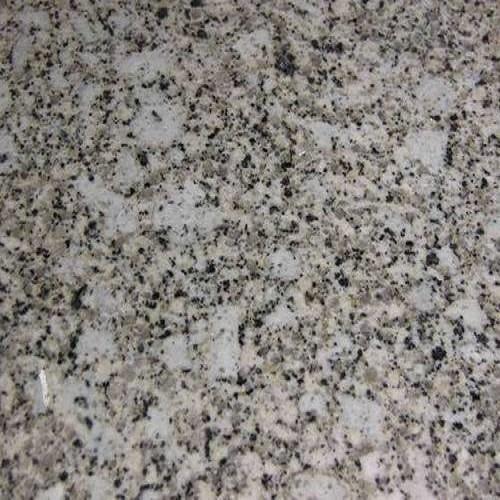
Granite has a reputation for being basically indestructible. Fair enough, mostly. But "mostly" is carrying a lot of weight in that sentence, because the same slab that shrugs off forty summers in Jodhpur without a scratch can crack open after one hard decade in Minnesota. Weather does that, not bad quarrying, not some flaw in the block. Buy from an Indian Granite Supplier in India who has actually shipped stone through different climates, and you skip most of the guesswork. Buy from someone who hasn't, and you find that out later. Usually the expensive way.
Why an Indian Granite Supplier in India Can't Just Test Against Local Weather
Most granite quarried here doesn't stay anywhere near here. It ends up in a Texas kitchen, a Dubai hotel lobby, a plaza somewhere in Germany, a sidewalk in Singapore. Every one of those places treats the same stone differently, and that's easy to forget while standing in a showroom under good lighting, looking at a slab that's never once felt real weather. A supplier who only tests granite against Rajasthan's summer heat is flying half blind. We check the destination before a batch even leaves the yard, because where the stone is going matters just as much as where it came from.
Heat, Humidity, and the Slow Way Granite Gives Up
Granite forms under brutal pressure. That's why it starts dense, heavy, genuinely tough. Toughness has a shelf life, though. In hot, dry places like India or much of the Gulf, the real problem isn't heat itself. It's the swing. Bake all day, cool fast at night, repeat for fifteen years, and tiny fissures quietly open along the stone's natural mineral lines, which is how most damage actually happens. Humid coastal climates play a completely different game. Moisture creeps into the pores, and if there's iron in the stone, and there often is, you eventually get rust-colored staining bleeding through the surface. None of this is really a flaw. It's chemistry, running on a different clock depending on where the slab ends up living.
Freeze-Thaw: What a Real Winter Does to Stone
Countries with actual winters have their own headache, and it's a nasty one. Water gets into the stone's pores, freezes, and expands by roughly nine percent. Do that every winter for a decade and you get flaking. Sometimes small cracks, especially on granite that was sealed cheaply or finished too rough for the climate it landed in. That's the whole reason granite headed to Canada needs a different sealing plan than granite headed to Chennai. Same rock. Different prep.
How an Indian Granite Supplier in India Picks the Right Finish
A polished finish photographs beautifully, no argument there. Doesn't make it the right call everywhere, though. In wet or icy regions, honed or flamed finishes grip better underfoot and age more gracefully, quietly hiding minor weathering instead of putting it on display. In dry climates, polished stone tends to hold its shine longer, mostly because there's less moisture constantly working against it. A genuinely switched-on Indian Granite Supplier in India brings this up before you even ask. One that isn't paying attention just sells whatever's fastest to produce that week and lets you find out the hard way, later.
Pollution and Salt Air Wear Granite Down Too
Coastal cities and heavy-traffic areas add a layer of wear nobody really talks about. Salt spray reacts with granite's mineral surface over time. Airborne pollution doesn't help either. Combine that with humidity, and salt works its way into the pores, contributing to slow surface pitting that's seldom dramatic. It's the kind of thing you notice on a ten-year-old building where one wing looks fine, and the other looks tired, and nobody can explain why until someone finally mentions the salt air.
Why Work With Tripura Stones
We're not going to pretend every granite supplier is basically interchangeable. That's not true, and everyone in this business quietly knows it. Tripura Stones has cut and shipped granite into wildly different climates for years now, and that experience shapes how we talk to clients, not just what we hand them at the end. We test batches for density and porosity before anything leaves the yard. We say so, plainly, when polished granite is a bad call for someone's project, even when it costs us the sale. Losing a quick order beats a phone call three years later asking why the stone's stained and nobody warned them.
What to Ask Your Indian Granite Supplier in India Before You Sign Off
Granite really is one of the toughest building materials there is. But "tough" means something different in Dubai than it does in Oslo, worth remembering before you commit to an order. Ask a few blunt questions. What finish do you actually recommend for my climate, and why that one? How is the stone tested for porosity? What sealant are you using, and how often does it need to be reapplied? Any genuinely experienced Indian Granite Supplier in India will answer these without hesitation, because they've fielded the same questions before and know exactly how much climate matters. Someone who gets vague hasn't, and that's worth knowing before the crates ship, not after they've landed and the tiles are already down.