Absolute Black Granite – Luxurious Yet Reliable
June 17, 2026
How Climate and Weathering Affect Granite Performance in Different Countries
August 12, 2026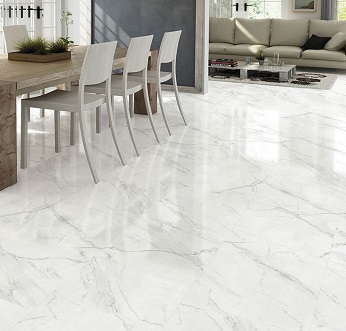
If you speak with a site engineer concerning the matter that haunts them before an important pour, inconsistency from slab to slab is likely going to be at the top of their list. No one wants to be the one explaining to the client why the lobby on the 3rd floor looks a little different than that of the ground floor. Usually, at this point is where one starts explaining the reasons why several orders of White Banswara Marble in India come from Ahmedabad, Surat, Pune, or Mumbai instead of closer locations. It is not developers' loyalty to a particular region; it is simply math involved in the process. Large-scale projects require thousands of square feet, good prices, and a truck schedule that does not get disrupted, so Banswara marble, mined in southern Rajasthan, meets these requirements and is widely used in the industry.
What Makes Banswara Marble Different From Other White Marbles
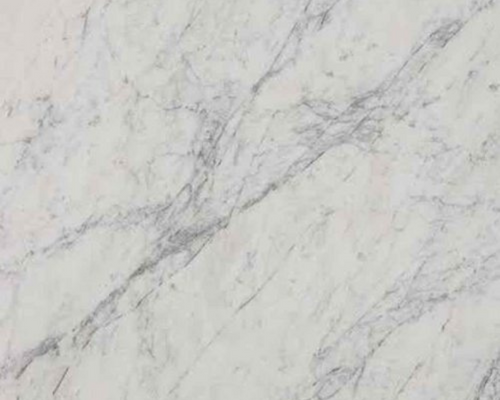
There's imported white stone Carrara, Statuario, the kind that shows up in architects' mood boards, and then there's the cheaper domestic stuff that can swing wildly from one truckload to the next. Banswara sits in between, and honestly, that's the whole appeal. It's dolomitic, fine-grained, and takes a polish without turning patchy. I've had contractors tell me they stopped shopping around once they realized the color held steady lot after lot. That's not a small thing when you're covering 40,000 square feet and can't have slab twelve looking nothing like slab one.
Cost Efficiency of White Banswara Marble in India for Large-Scale Construction
Here's what actually moves a project manager's decision: cost per square foot. Banswara marble runs a fraction of what imported white stone costs, and it doesn't force you to compromise much on how the finished space looks. On a small flat renovation, nobody notices the price gap. On a 500-unit tower, that gap is the reason the project stays on budget instead of becoming an awkward call to the client. Simple as that.
Supply Chain Advantages From Rajasthan to Western India
Rajasthan is close enough to Gujarat and Maharashtra that trucking stops being a headache. Slabs move from the Banswara belt to a site in Vadodara or Nashik in a day, maybe two. Compare that to imported marble sitting in port clearance for weeks, and one late shipment doesn't just delay flooring; it stalls every trade scheduled after it. I've seen entire handover dates slip because of a container stuck at customs. With local sourcing, if a piece arrives cracked or mismatched, you swap it fast. You're not waiting out another six-week shipping cycle to fix a mistake.
Durability in Western India's Climate
This region doesn't go easy on materials. Mumbai's humidity, Ahmedabad's dust and heat, monsoons everywhere in between, flooring and cladding take a beating. Banswara marble's density gives it decent resistance to moisture next to softer stones, which is a big reason it keeps showing up in open lobbies, terraces, and facades that sit exposed year-round. It's not indestructible. Nothing natural is. But it holds up better than a lot of the cheaper alternatives that start showing water stains within a couple of monsoon seasons.
Choosing the Right Supplier for White Banswara Marble in India
Good quarry, wrong supplier, and the project still suffers. Grading is where things go sideways most often; two batches sold as the "same grade" can look nothing alike if the supplier isn't careful. At Tripura Stones, we grade lot by lot and keep enough stock that a contractor isn't stuck redesigning a floor plan because we ran short mid-project. We've supplied residential towers, commercial builds, and hospitality projects across Gujarat and Maharashtra, and the reason people come back isn't complicated: the tenth truckload still looks like the first.
Getting the Details Right Before You Order
A few things I'd tell anyone before they place a large order: get physical samples, not photos on WhatsApp. Confirm the finish, polished, honed, leathered, actually suits where it's going. And get lot-wise grading in writing, so there's no argument once the shipment lands and someone's pointing at a slab saying "this isn't what we ordered." Takes an extra day. Saves weeks of back-and-forth later.
Getting the Stone Right the First Time
Flooring, once it's down, is not something you casually redo. Same with a facade. So the decision matters more than people treat it. Between the price advantage, the short haul from Rajasthan, and a finish that actually survives this climate, it's no mystery why builders keep specifying White Banswara Marble in India on bid sheets from Ahmedabad to Pune. What usually separates a smooth project from a stressful one isn't the stone itself, it's whether the supplier actually understands grading and can meet a delivery date.
FAQs
- What is the price range for Banswara marble compared to imported white marble?
It runs significantly cheaper than imported stone like Carrara or Statuario, though the exact price depends on grade, finish, and order volume. - Is Banswara marble suitable for both flooring and wall cladding?
Yes, its density and finish options work for floors, walls, facades, and countertops alike. - How long does delivery take from Rajasthan to Gujarat or Maharashtra?
Usually a day or two once the order's confirmed and loaded, though volume and route can shift that. - Does Banswara marble require special maintenance?
Like most natural marble, it needs periodic sealing and pH-neutral cleaning products to avoid etching, nothing beyond standard marble care. - Can Tripura Stones supply consistent grading for large bulk orders?
Yes. Lot-wise grading and sampling are standard for us, which matters most on large projects that need a uniform look across thousands of square feet.