Why White Marble in Banswara Is the Preferred Stone for Indian Homes and Temples
April 13, 2026
What Quality & ISO Standards Matter for Indian Granite Suppliers?
May 4, 2026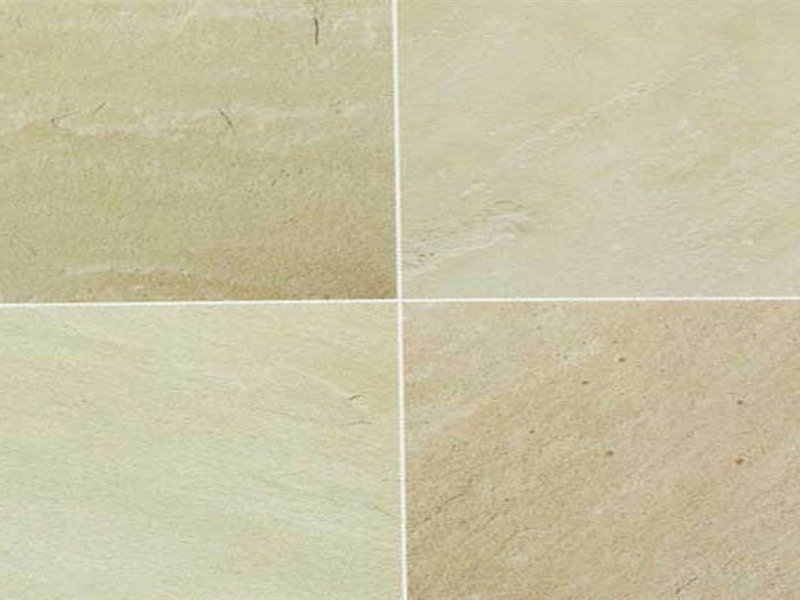
The Problem Nobody Warns You About
You pick the stone carefully. The colour is exactly right. It looks great on the sample, great at the quarry, great in the photos the supplier sends. Then six months after the job is done, there's this yellow-orange creep spreading across your patio or cladding. Some areas are worse than others. You call the contractor, they point at the sealant. You call the supplier, they mention the weather. Nobody quite owns it. Here's what's actually going on and why working with quality Indian sandstone manufacturers like Tripura Stones means you hear this before you buy, not after.
It's an Iron Problem
Indian sandstone has iron minerals running through it. That's just the geology. When water gets into the stone rain, irrigation, water sitting in poorly drained joints it reacts with those iron particles. The result is iron oxide. Which is rust. That yellow-orange colour you're seeing is rust bleeding through your stone.
Some things make it worse faster. Stone that goes straight from quarry to packing without surface processing still has iron sitting near the top layer the first place water reaches. Stone that's shipped damp is already mid-reaction before it even gets to site. And if whoever laid it used a cheap sealant that traps moisture instead of letting the stone breathe, you've essentially sealed the problem in.
Also worth knowing: iron content isn't the same across all Indian sandstone. Buff and camel tones carry more of it. Some mint varieties do too. Grey and blue-grey stone tends to be lower risk. If a supplier sells you buff sandstone without mentioning any of this, they either don't know or don't care.
What Responsible Manufacturers Actually Do
Most of this gets sorted or doesn't before the stone leaves the production facility.
Surface processing is the big one. Removing the iron-rich outer layer takes time and slows down dispatch. Suppliers under pressure to ship fast often skip it. But that layer is exactly where water hits first, so skipping it is essentially handing the problem to whoever buys the stone.
Drying matters more than people expect. Stone packed while still holding moisture from cutting or washing can start oxidising in the packaging. It arrives looking fine and then behaves strangely once laid. Proper drying before dispatch isn't difficult, it just requires not rushing the process.
Quarry selection plays a role too. Different seams in the same quarry can have meaningfully different iron levels. Experienced teams know this. They select for consistency rather than just pulling from whatever's easiest to access that week.
For particularly iron-heavy varieties, an iron inhibitor treatment before shipping reduces how quickly the reaction starts once the stone is exposed to the elements. It doesn't make the stone look different. It just buys significantly more time before any surface effects appear.
None of this is complicated. It's just whether a manufacturer considers it their problem or yours.
Questions Worth Asking Before You Place an Order
Before committing to any stone supplier, ask them: what does your surface processing involve? How long does stone dry before packing? Do you do any iron content checks by quarry batch?
If they give you a clear answer, good. If the conversation gets steered toward price, that's useful information too.
Also ask about batch consistency. Large orders get fulfilled across multiple quarry pulls. If nobody's checking that the third batch matches the first, you can end up with variation across a single project. That's harder to fix than yellowing.
Why Tripura Stones Handles This Differently
Stone that fails in the field is a supplier problem, not just an installer problem. That's a position that sounds obvious but isn't universally held in the industry.
At Tripura Stones, the processing steps above are part of standard production. Quarry sourcing is done with an eye on iron content and long-term batch consistency not just on getting orders out the door. When a buyer has a project in a wet climate, or is specifying a higher-iron variety, that gets flagged and discussed before the order goes through.
Most clients who come back don't come back with a yellowing complaint. When someone does report an issue, it almost always traces to installation decisions gaps in jointing, drainage that wasn't accounted for, sealant that wasn't appropriate for the climate. Those problems are fixable with the right advice, and Tripura Stones provides it rather than going quiet.
Conclusion
Sandstone going yellow is a chemistry issue with practical solutions but most of those solutions need to happen at the production stage, not after the stone is in the ground. Buyers who know to ask about it end up with stone that performs better and longer.
If you're sourcing sandstone for a project and want straight answers about how it's been processed and what to expect over time, that's exactly the kind of conversation Tripura Stones is set up for.