How Climate and Weathering Affect Granite Performance in Different Countries
August 12, 2026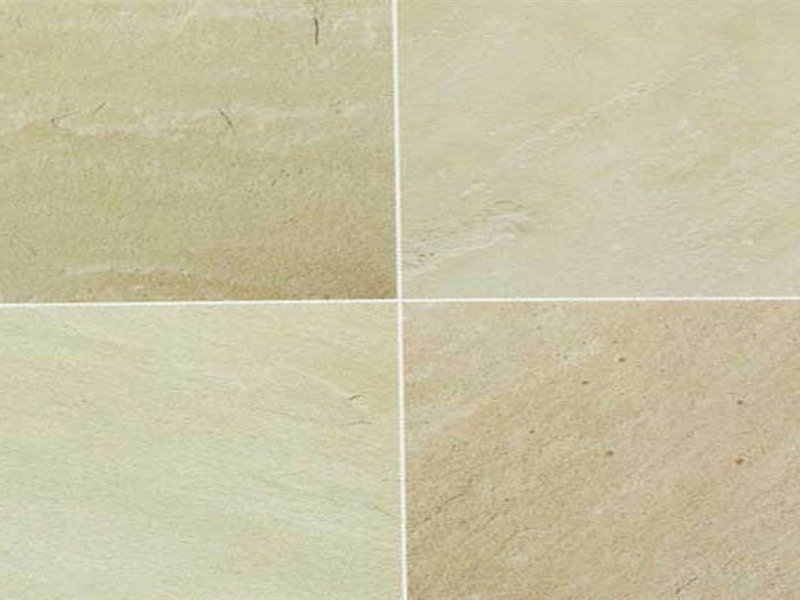
Sandstone looks tough. Sitting in a courtyard or lining a garden path, it looks like it'll outlast the house. It won't, not without help. Rain works its way into the pores, the sun bakes it dry again, and this happens over and over, year after year, until one day you notice the surface isn't quite what it used to be. Anyone who's spent real time with Indian Sandstone Manufacturers has seen this play out; the damage is never sudden. It's the slow kind. The kind that shows up around year eight or nine, right when you've stopped thinking about it.
Why Indian Sandstone Manufacturers Focus on Weather Resistance
Here's something that nobody tells you when you decide to shop for stone. When you look at the slabs of stone, they may appear exactly the same but can behave differently over time. The mineral components and the porosity of the stone define how it was cut at the quarry has more important than its color. That is why Indian Sandstone Manufacturers perform tests related to freezing and thawing and moisture content. A slab with a great deal of porosity will look splendid when installed but will warp away after a few seasons. Additionally, you cannot distinguish this feature by mere sight.
How Sun and Rain Slowly Reshape the Stone
Heat expands stone, cold contracts it, and doing that on repeat is basically a slow-motion crowbar. Micro-cracks open up. Then rain gets in and makes it worse: water sits in those cracks, freezes if it's cold enough, and pries the stone apart bit by bit. Sun does its own thing too. Fading isn't even; you'll get a lighter patch where a car used to sit or a planter used to block the light. Honestly? A lot of people end up liking this. Weathered stone has character. It's the ones who wanted their patio to look showroom-new a decade later who end up disappointed.
The Role of Indian Sandstone Manufacturers in Selecting the Right Stone
Color is how most people begin. This is reasonable enough, as that is what is seen in everyday life. What is more important is how denser types of stone, such as grey and buff, are stronger against moisture than pink stone or mint, which are more porous. A good stone supplier needs to be able to ask where exactly the stone will go before making recommendations. Coastal salt air is very different from dry inland heat, and skipping this step is what leads to customers ending up with cracked edges three years later and questioning the cause.
Simple Ways to Protect Your Sandstone Through the Seasons
The key is to re-seal every few years. That is pretty much the only thing to remember. Make sure you use a proper breathable sealant so that water vapor is not thoroughly encapsulated in an unbreathable liquid sealant, because a moisture-soaked pavement is worse than no sealant at all. Finally: realize that this process is quite uncomplicated and straightforward, but it is often neglected because people tend to forget about the need to do that.
What to Ask Indian Sandstone Manufacturers Before You Buy
Ask about the absorption rate. Ask if it's actually been tested for your climate, not just "climate-tested" in general. A manufacturer who's confident in their stone will have paperwork ready, not a shrug. We've watched the gap between a fifteen-year patio and a three-year patio come down to exactly this one buyer asked, the other didn't.
Why Choose Tripura Stones
Tripura Stones sources from quarries picked specifically for dense, low-porosity stone, so there aren't surprises waiting three years down the line. We're also not going to sell you a slab off a price sheet without asking where it's going. Climate first, project second, recommendation third that order matters, and it's the difference between a supplier who moves stone and one who actually stands behind how it performs.
Final Thoughts: Building for the Long Run
Sandstone weather. Always has, always will, that's not a defect, it's stone doing what stone does. What decides whether it ages well or falls apart in a handful of seasons comes down to which Indian Sandstone Manufacturers you trusted from the start and whether anyone bothered to maintain it after that. Get both right and the stone will probably outlast the reason you bought it in the first place.