HS Codes, Quality Certificates, and Export Compliance for Indian Sandstone
June 3, 2026
Absolute Black Granite – Luxurious Yet Reliable
June 17, 2026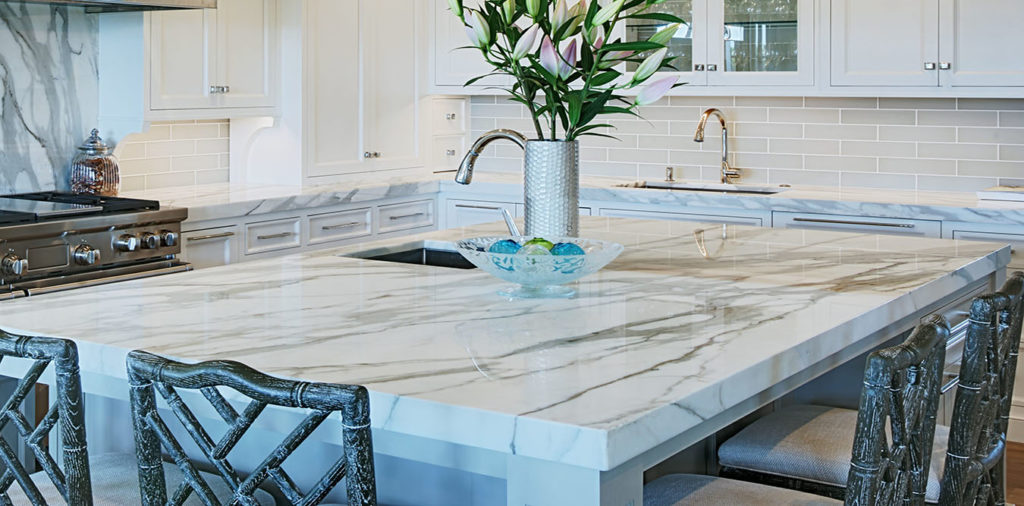
Stone selection derails projects more than most people plan for. You start with a shortlist, marble gets added to the mix, the maintenance costs come up in conversation, and suddenly the timeline slips. Working with a reliable Indian Granite Supplier in India from the beginning tends to sort this out faster. India's granite output is large, genuinely varied, and priced without the import markup that European or South American stone carries. The supply chain is established enough that orders arrive consistent with what was selected which sounds basic but isn't always the reality with sourced stone.
Why Indian Granite Is Worth Serious Consideration for Any Project
Granite ranks among the hardest commercial natural stones. It doesn't scratch easily, holds its finish under daily use, and doesn't require much to maintain. Flooring, countertops, exterior cladding the material handles these applications without degrading quickly.
Marble keeps coming up in comparisons because it looks good. For a bathroom feature wall or a formal entrance that doesn't see heavy traffic, it works. The problem is the chemistry. Marble is calcium carbonate, which reacts to acids lemon juice, wine, vinegar, mineral-rich water. Those reactions leave etching that builds up over time. A kitchen counter in marble shows wear within a year of regular use. Granite doesn't react that way.
How Indian Granite Holds Up Against Marble, Sandstone, and Quartzite
Sandstone suits specific applications, heritage restorations, textured garden walls, certain rustic exteriors. It has a texture and warmth granite doesn't replicate. But it absorbs water readily, which brings moss, staining, and surface erosion in wet or humid conditions. Outdoor sandstone needs periodic treatment to hold up. For driveways, pool areas, or any paved exterior surface, that porosity creates ongoing maintenance that compounds over time.
Quartzite is durable and often visually interesting. It also costs more than granite for comparable hardness, and consistent supply is harder to secure. The performance difference doesn't justify the price gap for most applications.
Each stone has contexts where it makes sense. Marble on low-traffic decorative surfaces. Sandstone where the aesthetic is specifically suited to it. For surfaces that take regular use commercial floors, kitchen countertops, exterior paving granite performs reliably without asking much back.
What the Numbers Look Like Over Time
Indian granite costs less upfront than stone sourced from Europe or Brazil. India has large reserves and processing infrastructure that's been running efficiently for decades, which keeps prices grounded.
The maintenance picture is where the gap widens further. Granite holds its surface without routine sealing or polishing. Marble needs both, on a regular schedule. Sandstone needs treatment every couple of years in most climates. The stone that costs less at purchase can easily cost more in upkeep by year five. It doesn't always work out that way, but often enough that it's worth factoring in before committing to a material.
Why Builders and Architects Keep Coming Back to Tripura Stones
Tripura Stones source from quarries across Rajasthan, Andhra Pradesh, Tamil Nadu, and Karnataka a spread that produces genuine variety across colour, grain, and finish. Stock isn't limited to standard slabs. Quality checks happen before dispatch, so material arriving on site matches what was approved at selection. For project managers who've dealt with mismatched batches mid-installation, that consistency has a practical value that's easy to quantify.
The team gives specific guidance based on project conditions, climate, traffic load, finish requirements rather than just listing available options. That input tends to prevent selection mistakes that are expensive to correct once work has started.
Stone That Earns Its Place on Every Project
For most construction and renovation applications, granite performs consistently and holds up without constant attention. The range covers most design requirements, the durability is genuine, and sourcing through a trusted Indian Granite Supplier in India means you get that performance without the cost premium of imported alternatives.
If natural stone is on the spec sheet for an upcoming project, speaking with an experienced Indian Granite Supplier in India is worth doing before the final decision gets made.